
How to Plan Booth Layout for Better Guest Flow
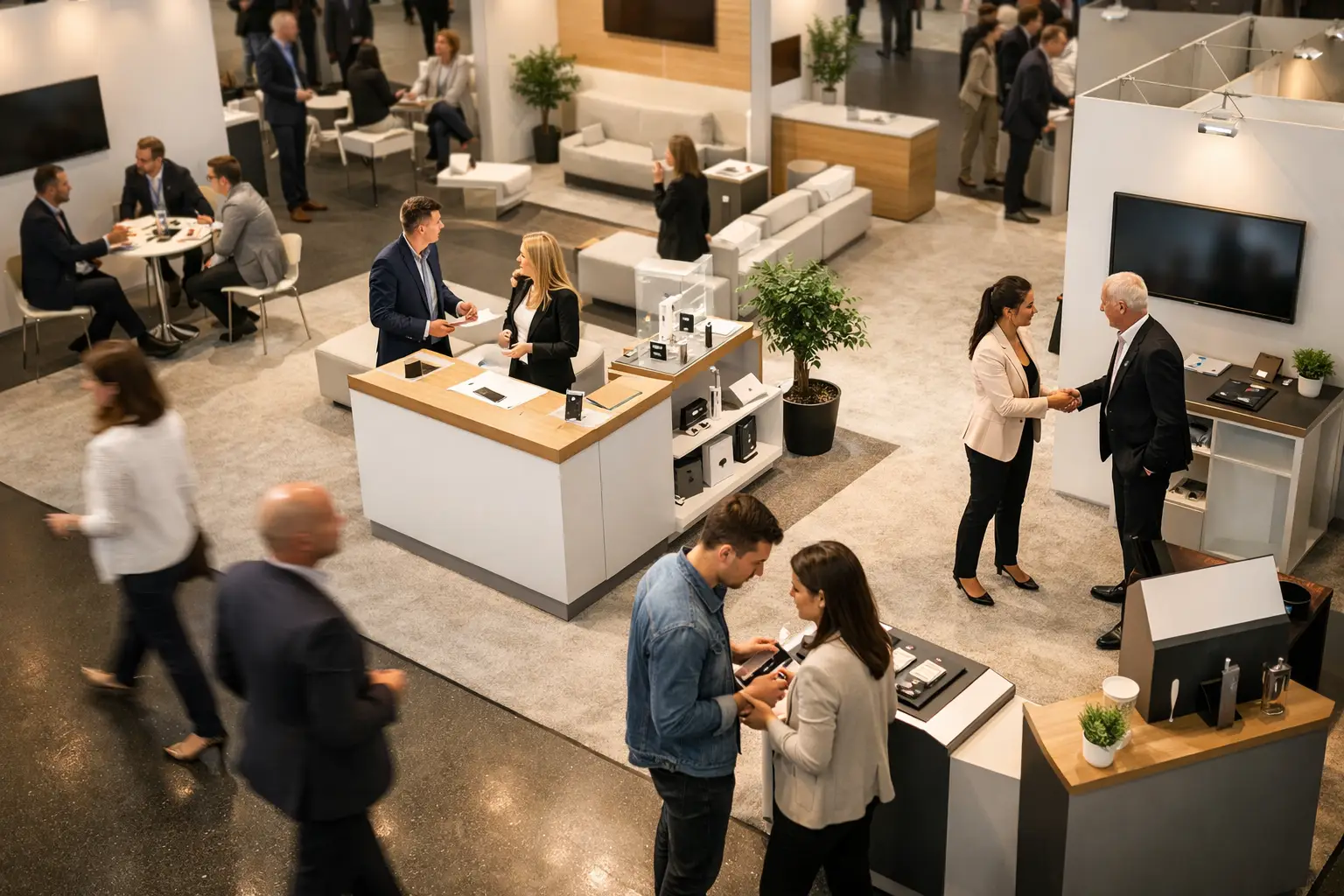
The difference between a photo booth that attracts guests and one that remains quiet often comes down to its position. Knowing how to plan a photo booth layout means thinking about guest movement, available space, lighting and access before the event begins.
The booth should feel like a natural part of the celebration. It needs to be visible without blocking the bar, dance floor, dining area or main walkways. A clear layout also helps guests join, pose and leave without creating unnecessary congestion.
Start with the purpose of the booth
Before choosing a location, decide what you want the booth to achieve. The answer will influence its position and the amount of space it needs.
At a wedding, the booth may provide an activity between the formal moments and the evening party. At a corporate event, it may support guest interaction, branded content or a wider campaign. Meanwhile, at a birthday party, the priority may simply be easy access and group photographs.
Think about what guests should do before and after using the booth. For example, a corporate booth designed to start conversations should sit close enough to the event team for a natural follow-up. However, it should not interrupt meetings or block access to the stand.
Map how guests will move through the venue
Start with a current floor plan. Mark all entrances, fire exits, dining tables, bars, stages, catering routes and dance floors. Then identify the paths guests will use throughout the event.
These routes may change during the day. Wedding guests may move from a drinks reception to dinner and then towards the dance floor. Conference delegates may travel between registration, presentations, refreshments and networking areas.
The booth should sit close to this natural movement. However, it should never stand directly in the busiest route.
A position just outside the main social area often works well. Guests can see the booth and reach it easily, while the queue remains separate from essential walkways.
Allow space for more than the equipment
The booth itself is only one part of the required footprint. You also need space for guests, a short queue and a clear exit route.
Depending on the setup, the layout may also need room for:
- a backdrop;
- a booth host;
- a props or print collection table;
- groups waiting for their turn;
- safe cable management; and
- access during installation and removal.
Guests should not need to step into another group when they leave the booth. Likewise, people collecting prints should not block those waiting to take a photograph.
Where possible, position the queue along the edge of the room. This keeps the central floor clear and makes the entrance to the booth easier to understand.
Keep entrances and seated areas clear
A booth placed opposite a busy entrance may look visible on a floor plan. In practice, it can create congestion as new guests arrive.
Guests may also feel uncomfortable posing while people constantly walk behind them. Therefore, a nearby position slightly away from the entrance usually works better.
Avoid placing the booth too close to dining tables as well. Conversation, flashes and groups of waiting guests can disturb dinner service. A small amount of separation helps the booth feel connected to the event without interrupting quieter moments.
Fire exits and venue access routes must always remain clear. If you are unsure about a position, confirm it with the venue before finalising the layout.
Make the booth easy to notice
A booth hidden in a separate room may receive less use, even if the room itself looks suitable. Guests often follow the visible activity around them.
If a separate room is the only option, use clear signage and include the booth in the event announcements. A DJ, host or organiser can also mention when it opens.
For most celebrations, a visible position near the evening entertainment works well. Guests can move naturally between conversations, dancing and photographs.
However, the booth should not sit so close to the dance floor that moving lights, haze or crowds interfere with the experience.
Check the background and lighting
The booth may provide its own lighting, but the surrounding conditions still matter. Strong sunlight, harsh spotlights and colour-changing uplighters can affect both the photographs and the appearance of the setup.
For daytime events, ask how the natural light changes throughout the day. A position that looks suitable during setup may receive direct, low sunlight later in the afternoon.
In the evening, nearby ambient lighting can help the booth remain visible and welcoming. However, the camera and backdrop should stay clear of strong moving lights.
The background also deserves attention. A clean wall or planned backdrop helps keep photographs free from doors, signs and passing guests.
If the available area is limited, our guide to using a backdrop in a tight space explains the main points to consider.
Match the booth format to the available space
The room layout should influence the booth format. A compact Selfie Pod may work well where space is limited. In contrast, a Magic Mirror needs more room for groups to gather and pose.
A 360 video booth requires a clear area around the platform and moving camera arm. Therefore, it needs careful positioning away from walkways and other equipment.
The booth should suit both the room and the event. Our guide on how to match booth style to the venue explains the visual and practical differences in more detail.
Discuss the available space with the booth supplier before making a final choice. A floor plan and photographs of the room can help identify potential problems early.
Plan access, power and cable routes
A good guest layout also needs to work during setup and removal. Confirm the route from the loading area to the event space before the day.
This is especially important at hotels, country venues and Central London locations. Timed deliveries, stairs, narrow corridors and small lifts can all affect installation.
Check the following details with the venue:
- supplier arrival and collection times;
- loading and parking arrangements;
- doorway, corridor and lift access;
- available power sockets;
- cable management requirements; and
- any required supplier documents.
Cables should not cross active guest routes unless the venue and supplier can protect them safely. In addition, the booth should not share an unsuitable power supply with other event equipment.
Coordinate with the venue and other suppliers
Share the proposed layout with the venue, booth supplier and event coordinator. This helps everyone understand where the equipment will sit and how guests will move around it.
Coordination is particularly useful when florists, caterers, production crews and DJs need access to the same room. A location that works for one supplier may interfere with another part of the event.
If the booth will open after dinner, confirm when installation can take place. In some venues, the team may need to set up before guests arrive and keep the booth closed until the evening.
A booth host can then manage the guest flow, explain the experience and keep the area organised once it opens.
Use timing to build interest
Good placement makes the booth easy to find. However, the opening time can also affect participation.
At a wedding, the booth often works well once dinner and speeches have finished. Guests are more relaxed, and the room has started to shift towards the evening celebration.
At a corporate event, refreshment breaks, networking sessions and evening drinks may create natural periods of activity. Quieter times can also be useful for team photographs or planned branded content.
If you are combining a DJ and photo booth, coordinate the timing. The music creates the atmosphere, while the booth gives guests another way to take part.
Use a final layout checklist
Before confirming the booth position, check that:
- guests can see and approach the booth easily;
- the queue will not block a main walkway;
- entrances, fire exits and catering routes remain clear;
- there is enough space for groups to pose;
- guests can collect prints and leave comfortably;
- the background will look clean in photographs;
- lighting will remain suitable throughout the event;
- power and cables can be managed safely; and
- the installation route has been confirmed.
Plan the right layout for your event
A well-planned photo booth layout makes the experience easier for guests and organisers. It allows people to join naturally, keeps essential routes clear and helps the booth feel connected to the celebration.
Gatwick Sound Photo Booth provides hosted booth experiences for weddings, parties and corporate events across London, Sussex, Surrey and Kent. Share your venue, guest numbers and available space with us, and we can help you choose a suitable format and position.
To discuss your event and photo booth setup, Get a Quote.